
Tips to naturally extend my backyard garden harvest into fall?
As the days begin to shorten and a crispness enters the air, many gardeners lament the inevitable end of their summer bounty. However, with a few clever, natural strategies, you can significantly extend your backyard garden’s harvest well into the fall, enjoying fresh, homegrown produce long after your neighbors have packed up their tools. Embracing the rhythm of the changing seasons allows for a second wave of delicious vegetables and herbs.
Embrace Succession Planting for Continuous Yields
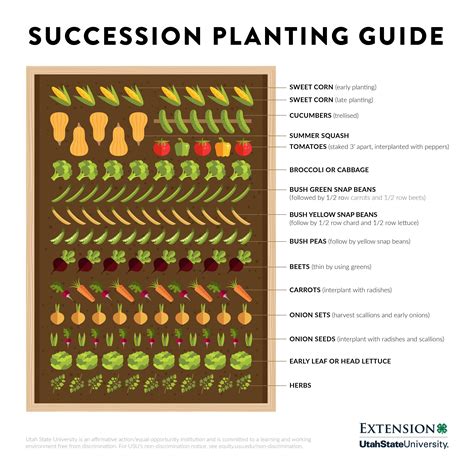
One of the most effective ways to extend your harvest is through succession planting. Instead of planting all your crops at once, stagger your plantings every 2-3 weeks, especially for fast-growing varieties like lettuce, radishes, spinach, and bush beans. As one crop finishes, another is ready to take its place. This strategy ensures a continuous supply rather than a single large harvest followed by a lull.
Even in mid-summer, you can plant seeds for quick-maturing cool-season crops that will thrive as temperatures begin to drop. Think about varieties that mature in 30-60 days. By the time your tomatoes are winding down, your fall greens could just be getting started.
Opt for Cold-Hardy Vegetables and Herbs
Not all plants are created equal when it comes to tolerating cooler temperatures. To naturally extend your harvest, focus on varieties known for their cold tolerance. Excellent choices for fall gardens include kale, collards, spinach, Swiss chard, mustard greens, carrots, beets, broccoli, and various lettuces. Many of these actually taste sweeter after a light frost!
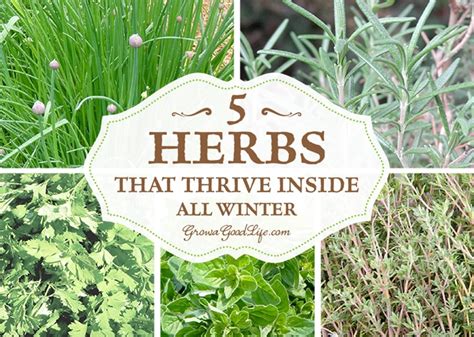
Hardy herbs like parsley, cilantro, and chives can also continue to produce into the fall. When selecting seeds or starts, look for varieties specifically bred for fall or winter production in your climate zone. These often have enhanced resistance to frost and shorter day length requirements.
Utilize Simple Season Extenders
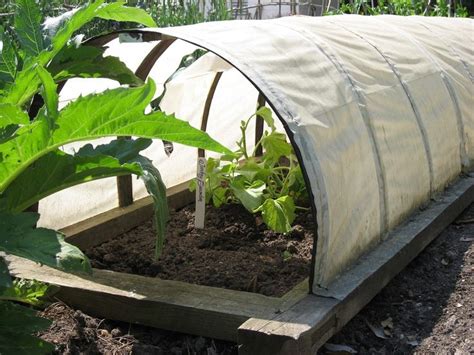
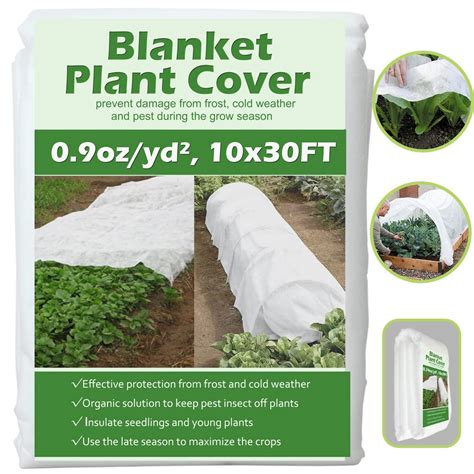
You don’t need elaborate greenhouses to protect your plants from early fall frosts. Simple, natural season extenders can make a huge difference. Row covers, made from lightweight fabric, can be draped over plants to provide a few degrees of warmth, protecting them from unexpected chills and even some pests. They allow light and water through but trap heat.
Cold frames, essentially bottomless boxes with clear tops, are fantastic for growing greens and root vegetables throughout the fall and even into mild winters. Cloches (individual covers for plants, often bell-shaped) offer similar protection on a smaller scale. Even repurposing clear plastic containers can serve as temporary cloches for young plants.
Nurture Your Late-Season Plants
Just because summer is ending doesn’t mean your plants need less attention. Adequate watering remains crucial, especially for fall-planted crops getting established. Consider a light feeding with a balanced organic fertilizer to give late-season plants a boost, particularly those producing leafy greens. Keep an eye out for late-season pests, as some can have a final flourish before winter sets in.
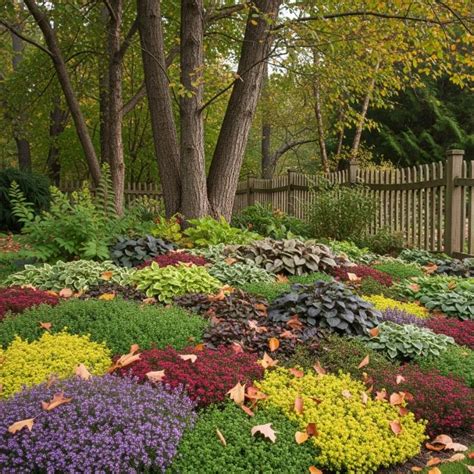
Mulching around your fall crops with straw or shredded leaves can also help regulate soil temperature, retain moisture, and suppress weeds, giving your plants the best chance to thrive into cooler weather.
Strategic Harvesting for Extended Production
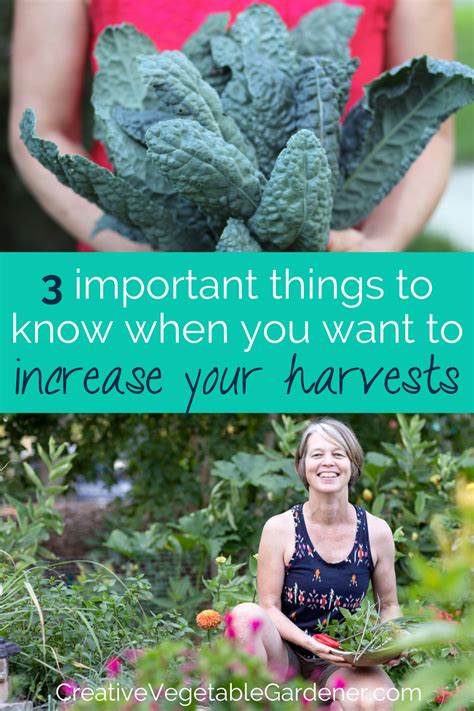
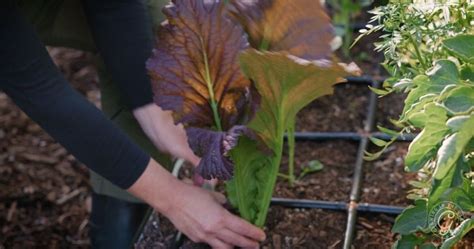
The way you harvest can also influence how long your plants produce. For leafy greens like lettuce, spinach, and kale, practice “cut-and-come-again” harvesting. Instead of pulling the entire plant, snip off outer leaves, allowing the plant to continue producing new growth from the center. This method can significantly extend the life of your leafy green crops.
For crops like bush beans or some pepper varieties, frequent harvesting encourages the plant to produce more flowers and fruits. Don’t let mature produce sit on the plant for too long, as this signals to the plant that its reproductive cycle is complete.
Prepare for the First Frosts
Knowing your average first frost date is key. When a light frost is predicted, be ready to cover sensitive plants with row covers, old sheets, or blankets. For more robust crops like kale or Brussels sprouts, a light frost can actually improve their flavor by converting starches to sugars. However, a hard freeze will damage most plants if left unprotected.
By monitoring weather forecasts and taking proactive steps, you can often gain several extra weeks or even a month of harvest time from many of your garden favorites.
Conclusion
Extending your backyard garden harvest into the fall is not only achievable but immensely rewarding. By implementing natural strategies like succession planting, choosing cold-hardy varieties, using simple season extenders, providing diligent care, and harvesting strategically, you can enjoy fresh, homegrown produce long after the peak of summer. Embrace the cooler temperatures as an opportunity to cultivate a new bounty, bringing the flavors of your garden to your table deep into the autumn season.