

How do you maintain authenticity BTS when staging real food, stories & country living?

The Delicate Art of Faking It Real: Behind the Scenes Authenticity
In an age where visual content dominates, the quest for authenticity has become paramount. Audiences are savvy; they crave genuine experiences, unvarnished truths, and a sense of connection to what they see. Yet, much of the captivating content we consume – from luscious food spreads to heartwarming rural narratives – is, by its very nature, staged. The challenge for creators behind the scenes (BTS) is monumental: how do you meticulously plan and execute a scene while simultaneously preserving an organic, real-life feel?

The Intricacies of Authentic Food Styling
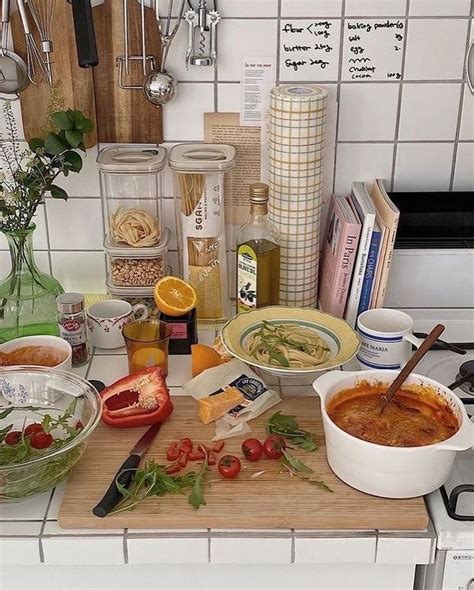
When it comes to food, authenticity means more than just a pretty plate. It’s about capturing the freshness, the texture, and the inherent story of the ingredients. BTS, this often means ditching the old tricks of fake ice cubes and mashed potato stand-ins. Instead, professional food stylists focus on using real, fresh ingredients, often sourced locally, that would genuinely be eaten. The goal is to make the food look delicious and inviting, not just aesthetically perfect.
Techniques involve minimal intervention, allowing natural light to highlight textures, and embracing the occasional imperfection that speaks to homemade charm. Steam is real, garnishes are edible, and the cooking process itself might be partially captured to convey a sense of genuine preparation. It’s about creating a scene where the food isn’t just an object, but a character with its own narrative, ready to be enjoyed.
Crafting Stories That Resonate with Truth
Staging real stories requires an even deeper level of sensitivity and respect. Whether working with individuals, families, or communities, the BTS approach must prioritize their genuine experiences over a pre-conceived narrative. This involves extensive research, building trust with subjects, and allowing their true personalities and histories to guide the storytelling. Ethical representation is key; it’s about collaborating with them to tell their story, rather than imposing one.
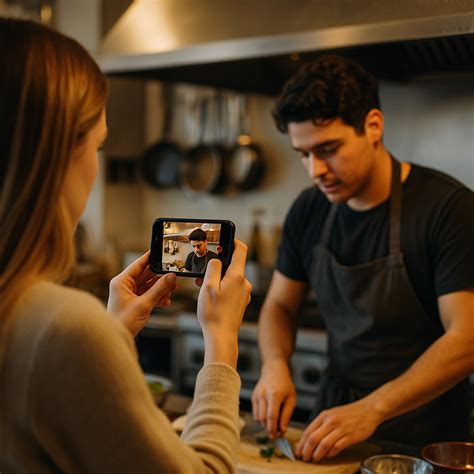
For staged scenarios, the direction is often subtle, focusing on eliciting natural reactions and conversations rather than scripted lines. Capturing candid moments, the nuances of body language, and the genuine emotions that surface during an interaction are far more powerful than any contrived performance. It’s about creating an environment where real life feels comfortable unfolding, even with cameras present.
Immersing Viewers in Genuine Country Living
Portraying country living authentically is perhaps the most challenging, as it involves capturing not just individual moments, but the essence of a lifestyle and environment. BTS, this means meticulously scouting locations that possess inherent character, working with local residents who embody the spirit of the place, and respecting the rhythms of rural life. Lighting and camera angles are chosen to emphasize natural beauty and the unhurried pace, avoiding artificiality.
Instead of creating a set, creators often integrate into existing environments, observing daily routines and incorporating genuine activities like farming, crafting, or community gatherings. The weather, the changing seasons, and the natural sounds become integral parts of the narrative, contributing to the overall sense of immersion. It’s about showcasing a way of life that feels lived-in and real, not merely a picturesque backdrop.

Core Principles for Behind-the-Scenes Veracity
Across all these disciplines, several core principles emerge for maintaining authenticity when staging. Firstly, research is paramount – understanding the subject matter, the people, and the environment intimately. Secondly, patience is a virtue; genuine moments cannot be rushed. Creators must be willing to wait for the right light, the spontaneous laugh, or the perfect interaction.
Thirdly, collaboration with subjects and local experts fosters a sense of ownership and ensures accuracy. Finally, and perhaps most importantly, is the commitment to minimal intervention. While staging provides a framework, the most authentic content often arises from allowing elements to unfold naturally within that framework, embracing the unscripted and the imperfect.
Embracing Imperfection and Unscripted Moments
The beauty of authenticity often lies in its imperfections. A slightly burnt crust on a homemade pie, a child’s unexpected comment, or a sudden downpour during a rural shoot can all contribute to a scene’s genuine feel. BTS teams learn to embrace these unplanned elements, recognizing that they add depth, relatability, and a sense of realness that perfectly polished productions often lack. Capturing these unscripted moments requires a flexible approach, quick thinking, and a keen eye for what truly resonates.
Conclusion: The Enduring Value of True-to-Life Portrayals
Maintaining authenticity BTS when staging real food, stories, and country living is a constant balancing act between meticulous planning and spontaneous discovery. It demands integrity, empathy, and a profound respect for the subject matter. While the process may be complex, the reward is invaluable: content that doesn’t just entertain or inform, but genuinely connects with an audience, fostering trust and leaving a lasting, real impression in an increasingly digital world.