
How to build healthy, fertile garden soil using kitchen scraps & compost?
The Foundation of a Thriving Garden: Healthy Soil
Every successful garden begins with healthy soil. Often overlooked, the soil beneath our feet is a complex ecosystem teeming with life, providing essential nutrients, water, and support for plants. Building rich, fertile soil isn’t just about adding fertilizer; it’s about fostering a living, breathing environment. Fortunately, you don’t need expensive amendments. Your kitchen scraps and a simple composting system are powerful tools to transform your garden’s health and productivity sustainably.
Why Healthy Soil is Non-Negotiable
Healthy soil acts as a reservoir of nutrients, moisture, and beneficial microorganisms. It ensures better drainage, prevents compaction, and makes nutrients readily available to plant roots. Poor soil, on the other hand, leads to weak plants susceptible to disease, requires more watering, and yields smaller, less flavorful harvests. By investing in your soil’s health, you create a resilient garden that thrives with minimal intervention, contributing to a more sustainable environment.
Harnessing the Magic of Composting
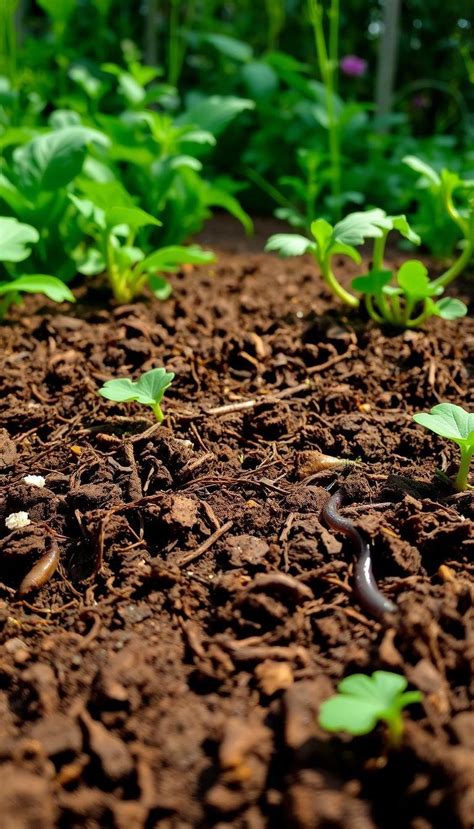
Compost, often referred to as ‘black gold,’ is decomposed organic matter that significantly improves soil structure, fertility, and water retention. It introduces a diverse community of beneficial microbes, helping to break down nutrients into forms plants can readily absorb. Making compost from kitchen scraps and yard waste diverts waste from landfills, reducing your environmental footprint while enriching your garden naturally.
Starting Your Composting Journey
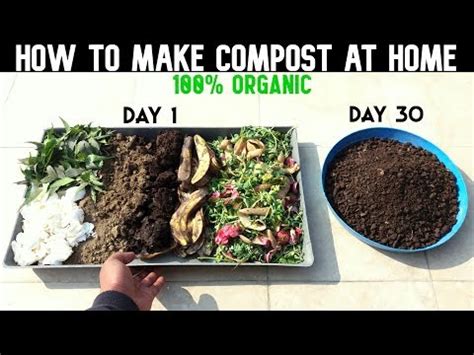
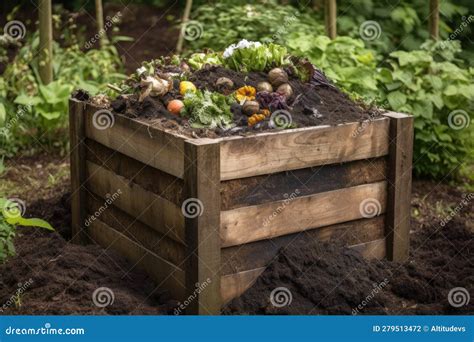
Composting can be as simple as a pile in the corner of your yard or a sophisticated multi-bin system. The key is to balance ‘greens’ (nitrogen-rich items like fruit and vegetable scraps, coffee grounds, grass clippings) with ‘browns’ (carbon-rich materials like dried leaves, shredded newspaper, cardboard, wood chips). A good ratio is roughly 2:1 or 3:1 browns to greens. Avoid composting meat, dairy, oily foods, diseased plants, or pet waste, as these can attract pests and introduce pathogens.
Maintain a consistently moist pile, like a wrung-out sponge, and turn it regularly (weekly or bi-weekly) to aerate and speed up decomposition. The turning also helps distribute moisture and brings fresh material into contact with active microbes. With a little care, you’ll soon have nutrient-rich compost ready for your garden.

Beyond the Bin: Direct Kitchen Scrap Applications
While a compost pile is excellent, there are other ways to utilize kitchen scraps directly in your garden:
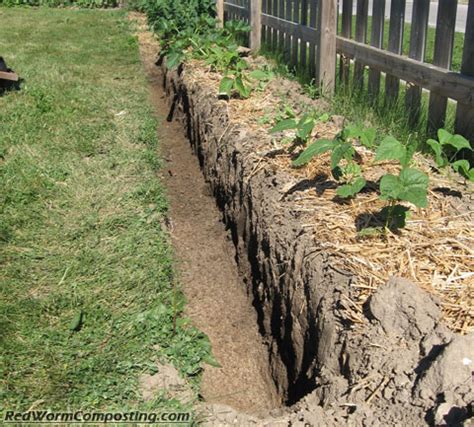
- Trench Composting: Dig a trench or hole between rows or near plants, bury kitchen scraps (non-meat/dairy), and cover with soil. The scraps will decompose directly in the garden bed, enriching the soil where it’s needed most. This method is discreet and feeds your soil slowly over time.
- Worm Composting (Vermicomposting): A worm bin uses red wiggler worms to break down food scraps into nutrient-rich worm castings (vermicompost) and ‘worm tea.’ It’s perfect for small spaces, can be done indoors or out, and produces incredibly potent soil amendments.
- Bokashi Composting: This anaerobic fermentation method uses a special bran inoculated with beneficial microbes to pickle food scraps. The fermented material can then be buried directly in the garden, breaking down rapidly and adding a microbial boost.
Integrating Your Black Gold into the Garden
Once you have finished compost, the possibilities for application are endless:
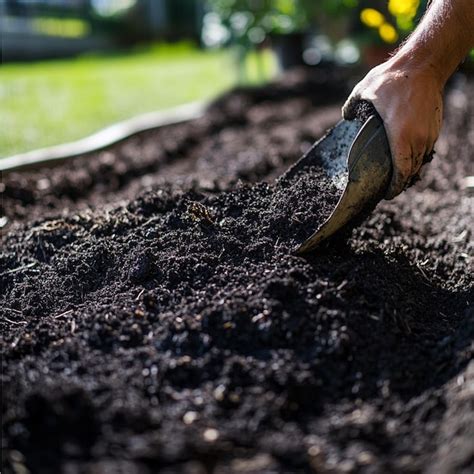
- Top Dressing: Spread a 1-2 inch layer of compost over the surface of your garden beds or around the base of plants. As you water, nutrients will leach into the soil, and earthworms will help incorporate the organic matter.
- Amending New Beds: When establishing new garden beds, mix a generous amount of compost (25-50% of the soil volume) into the top 6-12 inches of existing soil to create an ideal growing environment.
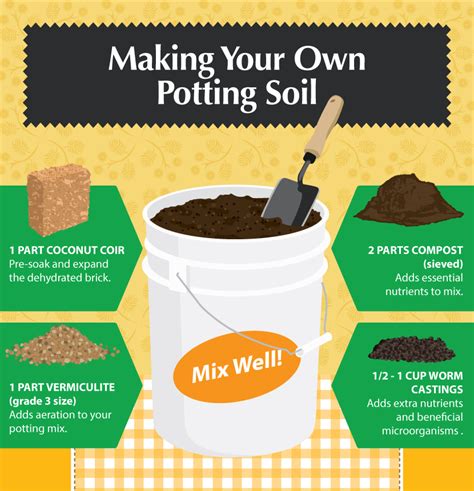
- Potting Mix Component: Use compost as part of your homemade potting mix for containers and seed starting, providing nutrients and improving moisture retention.
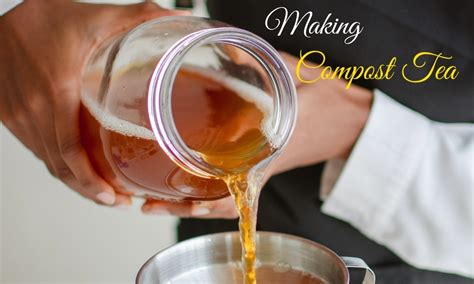
- Compost Tea: Steep finished compost in water for a day or two to create a nutrient-rich liquid feed. Strain the liquid and use it to water plants, providing a quick nutrient boost and beneficial microbes.
Long-Term Strategies for Soil Vitality
Building healthy soil is an ongoing process. Supplement your composting efforts with these practices:
- Mulching: Apply a layer of organic mulch (straw, leaves, wood chips) over your soil. Mulch conserves moisture, suppresses weeds, regulates soil temperature, and slowly breaks down to add organic matter to the soil over time.
- Cover Crops: Plant cover crops (e.g., clover, vetch, rye) in empty beds during the off-season. They prevent erosion, suppress weeds, add organic matter when tilled in, and some (legumes) even fix nitrogen in the soil.
- Minimize Disturbance: Avoid excessive tilling or digging, which can disrupt the soil’s delicate structure and microbial networks. Practice no-till or minimum-till gardening to maintain soil health.
Conclusion: Cultivating a Legacy of Fertility
Transforming kitchen scraps into a valuable resource for your garden is one of the most rewarding and impactful things a gardener can do. By embracing composting and other organic practices, you’re not just growing plants; you’re cultivating a vibrant, resilient ecosystem. This not only leads to healthier, more productive gardens but also reduces waste and fosters a deeper connection to the natural cycles of growth and decomposition. Start today, and watch your garden flourish with the rich, fertile soil it deserves.