Best method for canning garden tomatoes to keep their fresh taste?
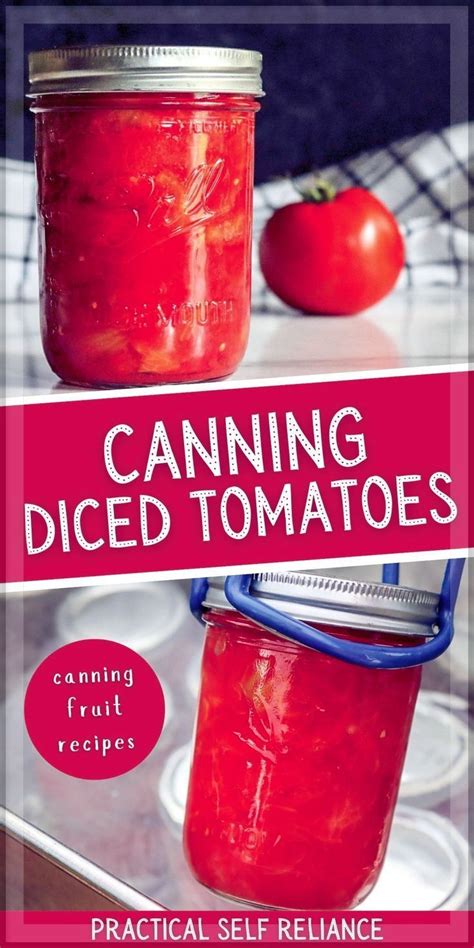
Unlock Peak Flavor: Canning Garden Tomatoes for Lasting Freshness
There’s nothing quite like the taste of a sun-ripened garden tomato. The challenge? Capturing that ephemeral freshness in a jar to enjoy long after the growing season ends. While canning is excellent for preservation, it can sometimes mute those vibrant flavors. The good news is, with a few key strategies, you can minimize flavor loss and keep your home-canned tomatoes tasting as close to fresh as possible.
The Foundation: Starting with the Best Tomatoes
The journey to fresh-tasting canned tomatoes begins before you even touch a canner. The quality of your raw ingredients is paramount.
Choose Peak Ripeness
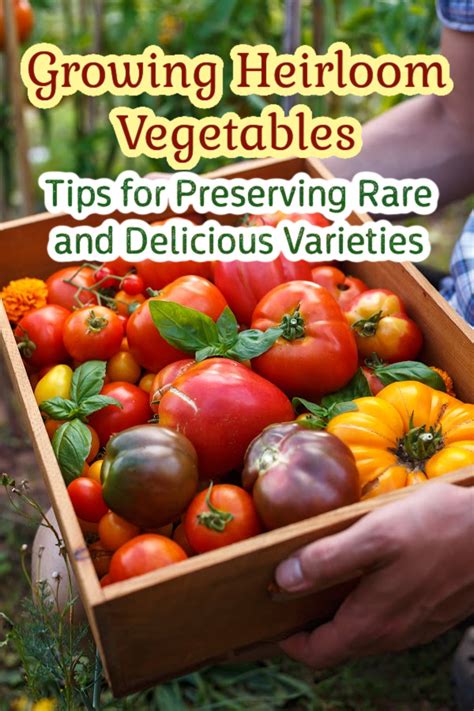
Select tomatoes that are fully ripe, firm, and blemish-free. Overripe tomatoes can have a mealy texture and a less intense flavor, while underripe ones lack the sweetness and depth you’re aiming for. Pick them at their prime – when they’re bursting with color and fragrance.
Handle with Care
Avoid bruising or damaging the tomatoes during transport and preparation. Bruised areas can lead to enzymatic changes that compromise flavor and texture during canning.
Preparation is Key: Minimizing Flavor Loss
How you prepare your tomatoes before canning significantly impacts their final taste.
Wash and Core Thoroughly
Gently wash tomatoes under cool running water. Remove the core and any green parts or blemishes. While it seems minor, a clean start prevents off-flavors.
Strategic Peeling: Cold Break vs. Hot Break
Many recipes call for peeling tomatoes. The method you choose can affect flavor:
- Cold Break (Blanching and Ice Bath): This involves briefly dipping tomatoes in boiling water, then immediately plunging them into an ice bath to loosen the skins. This method is generally preferred for preserving fresh flavor because it minimizes cooking time prior to canning, thus retaining more of their raw, bright taste.
- Hot Break (Cooking to Soften): Some methods involve simmering tomatoes for a longer period to soften them before processing (often for sauces or paste). While useful for consistency, this extended pre-cooking can diminish the fresh flavor profile. For best fresh taste, stick to cold break or no pre-cooking at all if making whole or diced tomatoes.
Cut for Purpose
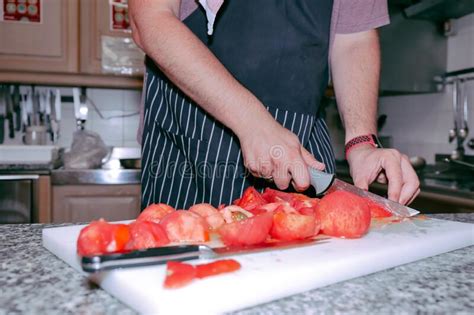
Whether you can them whole, halved, diced, or crushed, process them minimally. Less chopping and handling mean less exposure to air, which can degrade flavor and nutrients.
Acidity and Safety: The Non-Negotiables
Tomatoes are borderline acidic, meaning they require added acid to be safely processed in a water bath canner. This also plays a role in flavor.
Why Acidity Matters
Adding lemon juice or citric acid lowers the pH to a safe level for water bath canning, preventing the growth of Clostridium botulinum. While essential for safety, the type and amount of acid can also subtly influence flavor. Always follow tested recipes for the correct amount.
Lemon Juice vs. Citric Acid
- Bottled Lemon Juice: Often preferred for its natural compatibility with tomato flavor. Use only bottled lemon juice (not fresh), as its acidity is standardized.
- Citric Acid: A good alternative, especially if you want to avoid any lemon flavor. It’s flavorless and highly effective.

Choosing Your Canning Method for Flavor
The processing method itself significantly impacts the final taste and texture.
Water Bath Canning: The Freshness Champion
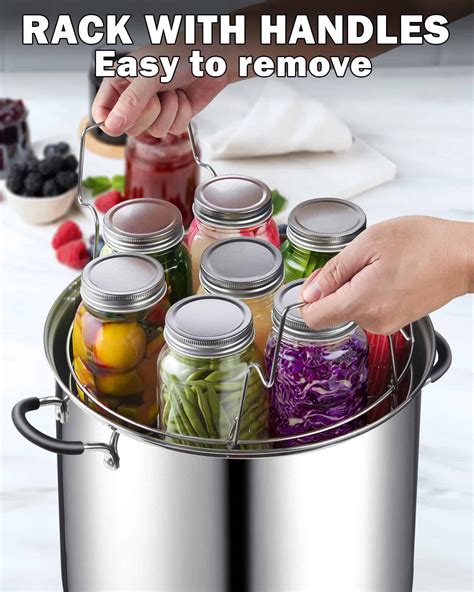
For high-acid foods like tomatoes (with added acid), water bath canning is the recommended method. It uses lower temperatures and shorter processing times compared to pressure canning, which helps preserve the fresh taste and firm texture of the tomatoes. Over-processing at high heat can break down cell walls and diminish flavor.
Pressure Canning: When Necessary, with Caveats
While safe for all low-acid foods and tomatoes without added acid, pressure canning uses higher temperatures. This increased heat can sometimes result in a slightly ‘cooked’ flavor and softer texture in tomatoes. If you choose pressure canning for tomatoes, ensure you stick precisely to recommended times to avoid over-processing.
Tips for Maximizing Freshness in the Jar
- Use Quality Jars and Lids: Ensure jars are clean, sterilized, and free of nicks. New lids are crucial for a proper seal.
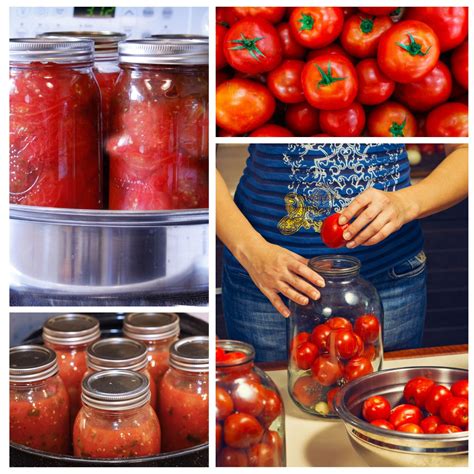
- Pack Jars Tightly: Fill jars with tomatoes and liquid (if applicable), leaving the recommended headspace. A tight pack minimizes air exposure.
- Avoid Over-Processing: Always follow tested canning recipes for precise processing times. Over-processing is the quickest way to turn fresh-tasting tomatoes into mushy, bland ones.
- Cool Quickly: Once processed, remove jars from the canner and let them cool undisturbed on a towel for 12-24 hours. Rapid cooling helps maintain texture and flavor.
- Store Properly: Store canned tomatoes in a cool, dark, dry place. Exposure to light and heat can degrade flavor and color over time.
Conclusion
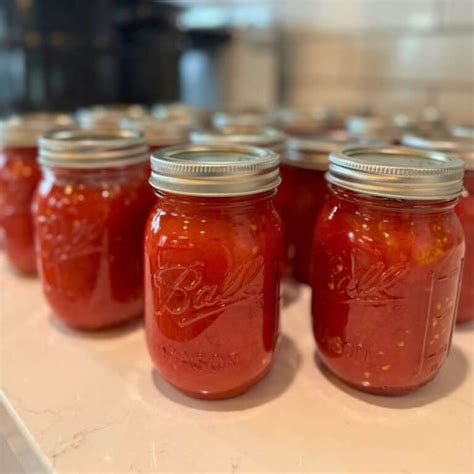
Preserving the fresh taste of garden tomatoes through canning is an art and a science. By carefully selecting your produce, employing gentle preparation techniques, ensuring proper acidity, and choosing the right canning method with precise timing, you can enjoy the vibrant, sun-kissed flavor of summer’s bounty throughout the year. Happy canning!