How to adapt traditional heirloom recipes using modern garden produce?
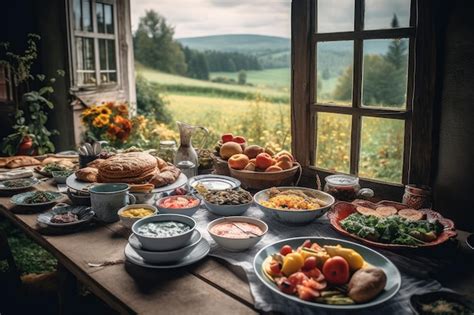
There’s a special magic in heirloom recipes, a culinary thread connecting us to generations past. These cherished dishes, often handwritten on faded cards, tell stories of family, tradition, and a time when gardens were the primary source of sustenance. Today, modern gardening offers an incredible array of produce—from disease-resistant hybrids to exotic new varieties—that might not have existed in grandma’s day. The exciting challenge, and opportunity, lies in bridging these two worlds: adapting traditional heirloom recipes to embrace the bounty of a contemporary garden.
Embracing the Best of Both Worlds
The beauty of modern produce often lies in its improved yields, disease resistance, and sometimes, novel flavors or textures. Heirloom varieties, while occasionally more challenging to grow, are prized for their unique, often intense, and complex tastes. The goal isn’t to replace one with the other entirely, but to thoughtfully integrate them, enhancing classic dishes with what’s fresh and available from your plot.
Understanding Flavor and Texture Profiles
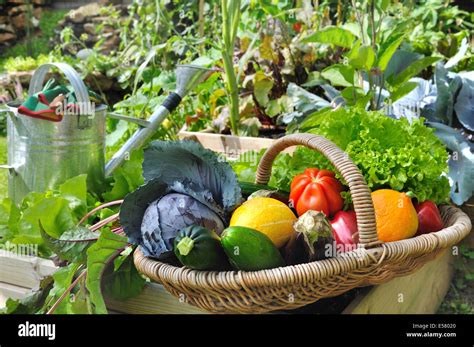
The first step in adaptation is understanding the characteristics of your ingredients. A modern beefsteak tomato might be juicier and less acidic than a heritage variety used in an old sauce recipe. A new hybrid zucchini might be firmer and hold up better in a stir-fry than its softer, more traditional counterpart. Taste your modern produce raw if appropriate, noting its sweetness, acidity, bitterness, and texture. This sensory assessment will guide your substitutions.
Strategic Substitutions for Success
When swapping ingredients, consider the core function of the original. If a recipe calls for an heirloom squash known for its sweet, earthy flavor, a modern butternut squash could be an excellent substitute. If a recipe relies on the dense, starchy quality of a particular potato, opt for a modern variety with similar characteristics, rather than a waxy, salad-type potato.
- Matching Flavors: If your modern produce is less intense, you might need to boost flavors with additional herbs, spices, or a touch of acidity (lemon juice, vinegar). If it’s more intense, you might need to scale back other strong flavors.
- Texture Matters: For dishes where texture is crucial (e.g., a crisp pickle, a creamy soup, a firm roast), choose modern varieties that closely mimic the original’s structural integrity. Sometimes, a slight adjustment in cooking time can compensate for textural differences.
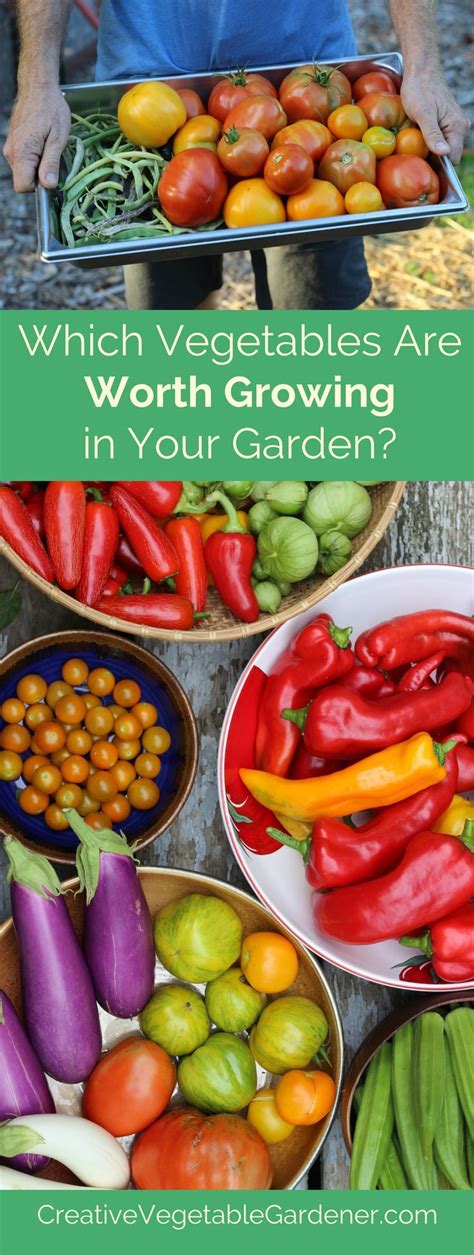
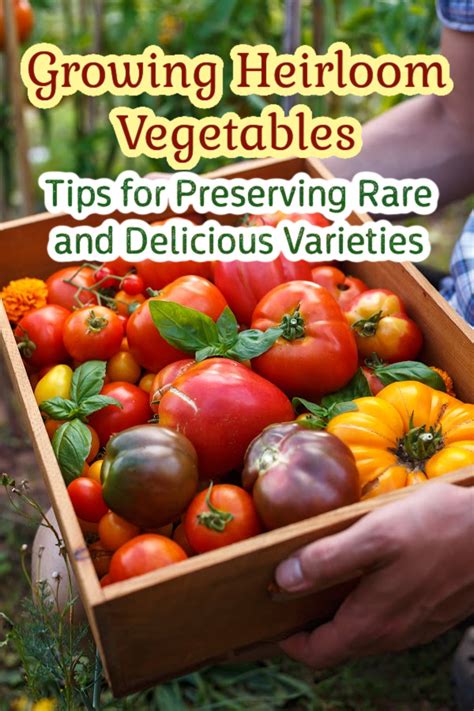
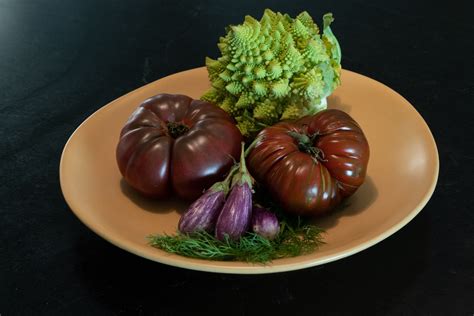
- Color and Aesthetics: While not strictly about flavor, the visual appeal of heirloom dishes often contributes to their charm. Consider how a bright purple carrot or a striped tomato might impact the look of your adapted dish.
Adjusting for Acidity and Moisture Content
Modern tomatoes, for instance, can sometimes be less acidic than older varieties. If your heirloom tomato sauce recipe suddenly tastes bland, a splash of red wine vinegar or a squeeze of lemon juice might be all it needs. Conversely, very watery modern vegetables might require a longer cooking time to reduce moisture, or a pre-salting step to draw out excess liquid, especially in baked goods or sautéed dishes.
Beyond Direct Swaps: Creative Enhancements
Sometimes, adaptation isn’t just about direct substitution but about thoughtful enhancement. Perhaps your heirloom green bean casserole could benefit from the addition of vibrant modern snap peas for extra crunch, or a touch of spicy modern radish to a traditional salad. Don’t be afraid to introduce new textures or complementary flavors that weren’t traditionally present, as long as they respect the spirit of the original dish.
Preserving the Spirit, Not Just the Letter
The true art of adapting heirloom recipes lies in preserving their essence. What made the original dish special? Was it a particular spice blend, a slow cooking method, or a unique combination of ingredients? Focus on maintaining these core elements while intelligently integrating your modern harvest. Document your changes; jot down notes on what worked and what didn’t. This not only helps you refine your adaptations but also creates new culinary history for your family.

Tips for Successful Adaptation
- Start Small: Begin by adapting simpler recipes or by making minor substitutions.
- Taste as You Go: Constant tasting is your best friend. Adjust seasonings and flavors incrementally.
- Consult Old Cookbooks: Sometimes, older cookbooks offer variations that can inspire modern adaptations.
- Embrace Experimentation: Don’t be afraid to try new things. Some of the best culinary discoveries happen by accident.
- Document Everything: Keep a journal of your adaptations, including the varieties of produce used and the results.

Adapting heirloom recipes with modern garden produce is a journey of culinary exploration and a beautiful way to honor the past while savoring the present. It encourages creativity, deepens your understanding of ingredients, and ultimately, allows you to continue cherished family traditions with a fresh, contemporary twist. So head to your garden, pick your bounty, and let the delicious experimentation begin!