
How to extend your garden harvest for year-round real food?
Embrace the Bounty: Why Extend Your Garden Harvest?
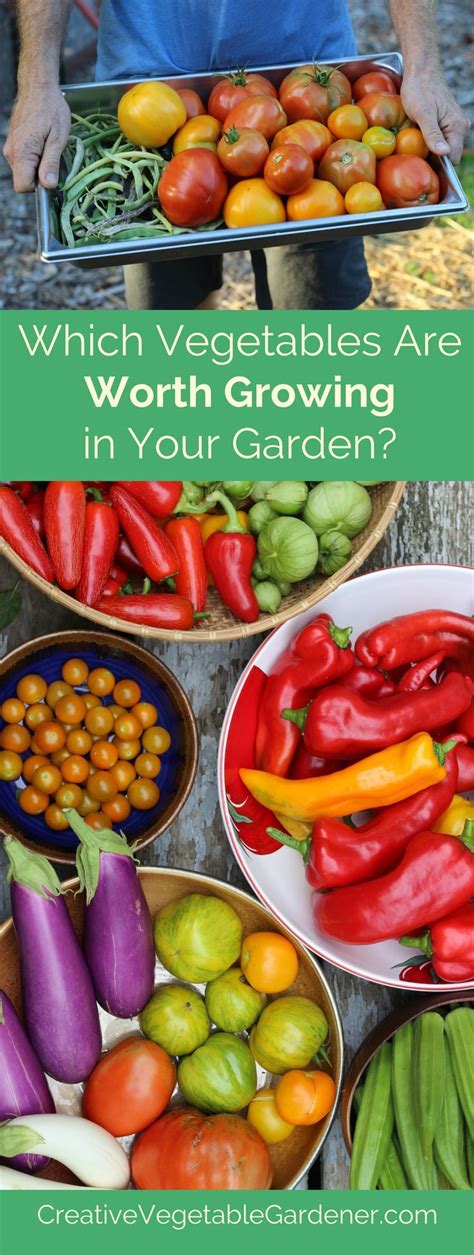
For many home gardeners, the peak of summer brings an overwhelming abundance, followed by the inevitable decline as colder weather approaches. But what if you could defy the seasons and enjoy fresh, homegrown produce year-round? Extending your garden harvest isn’t just a dream for homesteaders; it’s an achievable goal for anyone committed to a real food lifestyle. By implementing a few strategic techniques, you can turn your seasonal patch into a continuous source of nutritious, delicious food, reducing your grocery bill and increasing your self-sufficiency.
Mastering Succession Planting for Continuous Yields
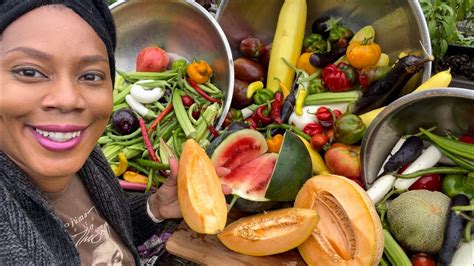
One of the simplest yet most effective ways to extend your harvest is through succession planting. Instead of planting all your crops at once, stagger your plantings every 2-3 weeks. This ensures a continuous supply of ripe vegetables rather than a single, overwhelming glut. This technique works particularly well for quick-maturing crops like lettuce, radishes, bush beans, and cilantro. As one batch finishes, another is ready to take its place. Don’t forget to re-sow early crops that bolt in summer heat once temperatures cool down in late summer or early fall for another round of spring greens.
Strategic Season Extension Techniques
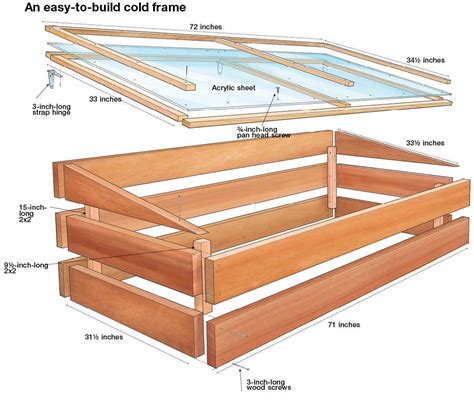
To truly push the boundaries of your growing season, you’ll need to employ some physical barriers against the elements. Simple solutions like row covers can protect young plants from frost and pests, while also slightly elevating soil temperatures. Cold frames, essentially unheated mini-greenhouses, are excellent for starting seedlings earlier in spring and growing cold-hardy greens well into winter. For more serious extension, a hoop house or high tunnel can provide significant protection, allowing you to grow through mild winters or get a very early start on warm-season crops.
Choosing the Right Varieties: A Key to Longevity
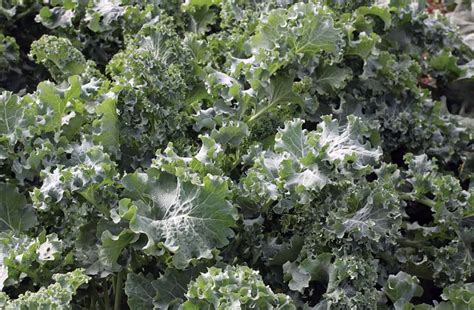
Not all plants are created equal when it comes to season extension. Selecting cold-hardy varieties is crucial for fall and winter harvests. Look for specific cultivars of kale, collards, spinach, mache, and some root vegetables that are known to withstand cooler temperatures, even light frosts. Additionally, opt for “days to maturity” that fit your staggered planting schedule. Quick-maturing varieties allow for more successions, while long-season crops can be strategically planted for a late-season big harvest.
Beyond Fresh: Preserving Your Abundance
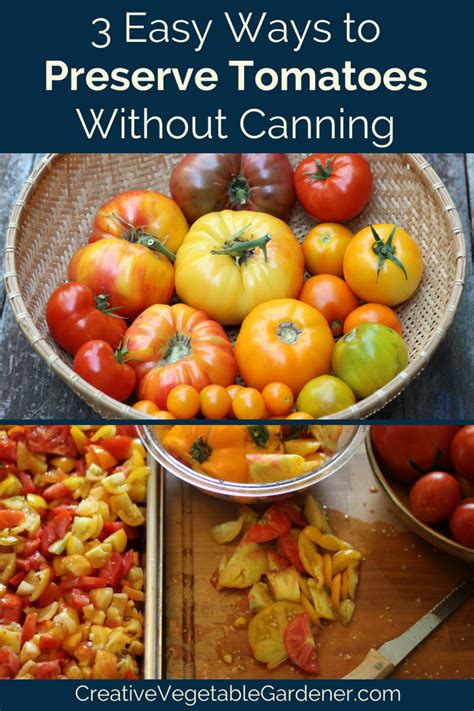
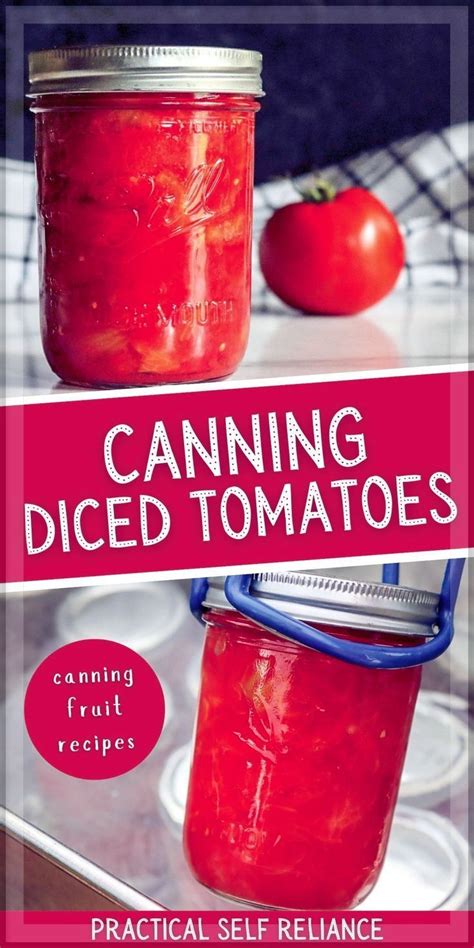
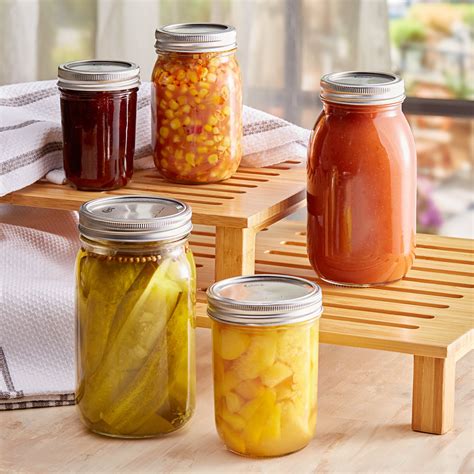
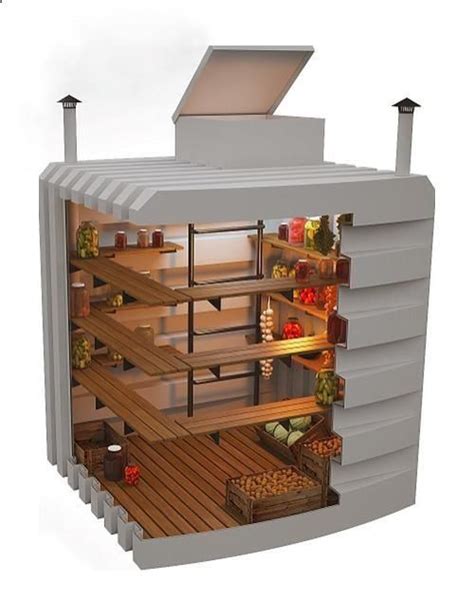
Even with meticulous planning, there will be times of surplus. Food preservation is an ancient art that modern homesteaders embrace to ensure a year-round supply of real food. Canning is excellent for fruits, tomatoes, and pickled vegetables. Freezing is perfect for berries, blanched greens, and corn. Dehydrating reduces bulk and is ideal for herbs, fruit leathers, and even some vegetables. For root vegetables like carrots, potatoes, and beets, a cool, dark root cellar (or even a makeshift version in your basement) can keep them fresh for months. Learning these skills transforms your garden’s peak production into pantry staples.
Embracing Perennials and Winter-Hardy Crops
Consider integrating more perennial vegetables and herbs into your garden plan. Asparagus, rhubarb, perennial onions, and many berry bushes provide reliable harvests year after year with minimal effort. Furthermore, some crops, like parsnips and certain varieties of carrots, can actually overwinter in the ground, sweetening with the cold and providing a delicious “first harvest” in early spring. Planning for these long-term residents ensures a foundational layer of food that requires less annual replanting.
Conclusion: Cultivating a Year-Round Real Food Source
Extending your garden harvest is a journey of learning, experimentation, and immense reward. By combining thoughtful strategies like succession planting and season extension with effective preservation methods and smart variety selection, you can dramatically increase the amount of real food you grow and consume from your own backyard. This approach not only fills your pantry with healthy provisions but also deepens your connection to the food you eat and the natural rhythms of the earth. Start small, experiment, and soon you’ll be enjoying the fruits (and vegetables) of your labor long after the traditional growing season has ended.