
Easy cast iron skillet seasoning for non-stick cooking?
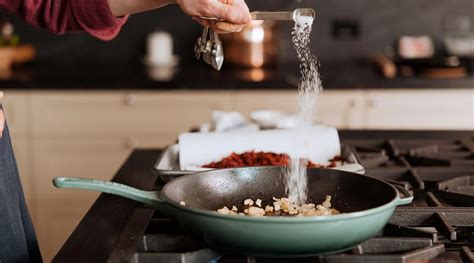
Unlock the Secret to a Non-Stick Cast Iron Skillet
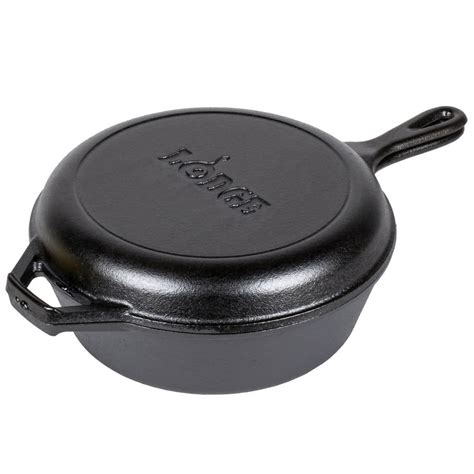
Cast iron skillets are beloved for their durability, even heat distribution, and ability to impart a unique flavor to food. However, their full potential truly shines when they are properly seasoned. A well-seasoned cast iron skillet offers a naturally non-stick surface, making cooking and cleanup a breeze. If you’re new to cast iron or struggling to achieve that perfect slick surface, don’t worry – the process is simpler than you think.
Seasoning is essentially baking thin layers of oil onto the pan’s surface, creating a polymerized layer that is smooth, durable, and resistant to sticking. This protective layer not only enhances cooking performance but also prevents rust, extending the life of your cherished cookware.
First Steps: Cleaning and Preparing Your Skillet
Before you even think about oil, your skillet needs to be impeccably clean. This is especially true for new, unseasoned pans or old pans with built-up grime. For new pans, a quick wash with warm water and mild soap (yes, soap is okay for initial cleaning!) is usually sufficient. Scrub thoroughly to remove any factory wax or residue. For rusty or heavily gunked-up old pans, you might need a more aggressive approach, such as scrubbing with steel wool or a stiff brush, followed by a thorough rinse.
After washing, immediately dry the skillet completely. You can place it over low heat on the stovetop for a few minutes to ensure every drop of moisture has evaporated. Moisture is the enemy of cast iron, leading directly to rust.
The Seasoning Process: A Step-by-Step Guide
1. Choose Your Oil Wisely
The type of oil you use makes a difference. High smoke point oils that polymerize well are ideal. Good options include flaxseed oil (known for creating a very hard, glass-like finish, though it can be brittle), grapeseed oil, vegetable oil, canola oil, or even Crisco shortening. Avoid olive oil or butter for seasoning, as they have lower smoke points and can leave a sticky residue.
2. Apply a Very Thin Layer of Oil
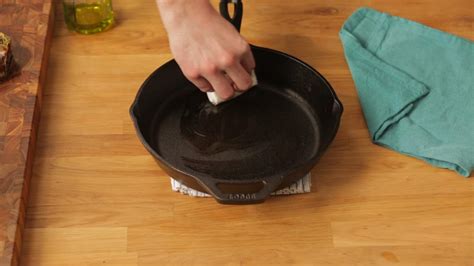
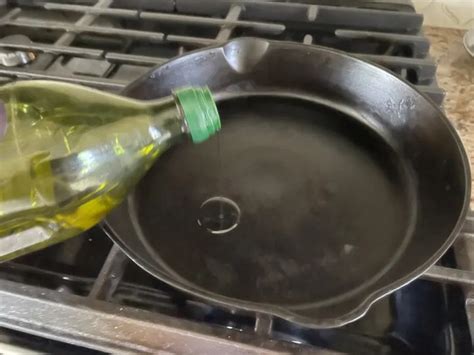
This is perhaps the most crucial step: less is more. Apply a tiny amount of your chosen oil (about a teaspoon for a 10-inch skillet) to a paper towel. Rub it all over the entire skillet – inside, outside, handle, and even the bottom. Then, with a fresh, dry paper towel, wipe off as much oil as you possibly can. The goal is to leave an invisible, microscopic film of oil. If you think you’ve wiped enough, wipe it again. Any visible oil will turn sticky and gummy when baked.
3. Bake Your Skillet Upside Down
Preheat your oven to a temperature between 450-500°F (230-260°C). Once hot, place the skillet upside down on the middle rack. This prevents any excess oil from pooling at the bottom. To catch any potential drips, place aluminum foil or a baking sheet on the rack below your skillet. Let the skillet bake for at least one hour.
4. Cool and Repeat
After one hour, turn off the oven and let the skillet cool completely inside the oven. This allows the oil to properly polymerize and bond with the iron. Once cool, the skillet should look slightly darker and have a subtle sheen. For optimal results and a truly non-stick surface, repeat the oiling and baking process 3-5 times. Each layer builds upon the last, creating a stronger, more resilient seasoning.
Maintaining Your Seasoning for Lasting Non-Stick Performance
Cook with Oil and Fat
Every time you cook with oil or fat in your cast iron, you’re essentially adding another micro-layer of seasoning. This is why consistent use is the best way to maintain and improve your skillet’s non-stick properties.
Clean Gently
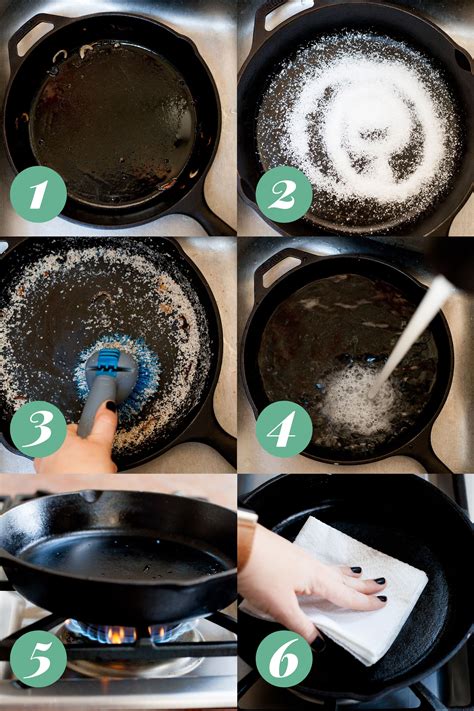
After cooking, clean your skillet while it’s still warm. Use hot water and a stiff brush or a plastic scraper to remove food bits. Avoid harsh soaps (though mild soap is fine for stubborn messes, as long as you re-season afterwards) and never put it in the dishwasher. For really stuck-on food, you can use coarse salt as an abrasive with a little oil.
Dry Immediately and Thoroughly
Just like with the initial cleaning, always dry your skillet immediately after washing. You can place it on low heat on the stovetop for a few minutes until completely dry, then rub a very, very thin layer of oil over the surface before storing. This protects against rust and maintains the seasoning.
Troubleshooting Common Seasoning Issues
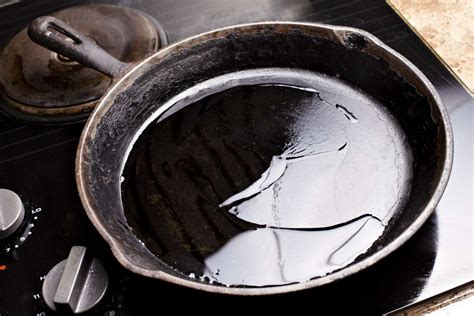
- Sticky Skillet: You used too much oil during seasoning, or the oil didn’t reach a high enough temperature to polymerize properly. Re-clean and re-season, ensuring a super thin layer of oil.
- Flaking Seasoning: This can happen if the seasoning isn’t fully bonded, or if layers are too thick. Scrub off the flaking bits and re-season from scratch.
- Rust Spots: This means moisture was present. Scrub the rust away with steel wool, dry thoroughly, and re-season the affected area, or the whole pan if necessary.
With a little patience and consistent care, your cast iron skillet will develop a beautiful, durable, and naturally non-stick surface that will serve you well for generations to come. Happy cooking!